Understanding the Importance of Psychological Assessments in Education


Introduction to Psychological Assessments
In the realm of education, understanding the diverse needs of students is crucial. Psychological assessments have become an integral part of this process, offering educators and parents a comprehensive view of a child's cognitive, emotional, and social development. These assessments help in tailoring educational strategies that cater to individual learning styles and needs.

Why Psychological Assessments Matter
The primary purpose of psychological assessments is to identify strengths and weaknesses in a student's academic and emotional profile. By doing so, educators can create personalized learning plans that enhance a student's educational experience. These assessments are not just about pinpointing challenges but also about recognizing and nurturing potential.
Types of Psychological Assessments
There are various types of psychological assessments used in education, each serving a unique purpose. Some of the most common include:
- Intelligence Tests: Measure cognitive abilities and potential.
- Aptitude Tests: Evaluate a student's capacity to learn or develop skills.
- Behavioral Assessments: Analyze behavior patterns to identify social or emotional concerns.

Benefits of Psychological Assessments
Psychological assessments offer numerous benefits to both students and educators. They provide a structured way to measure progress and identify areas for improvement. These assessments also facilitate early intervention, helping to address issues before they become significant obstacles in a student's academic journey.
Supporting Special Education Needs
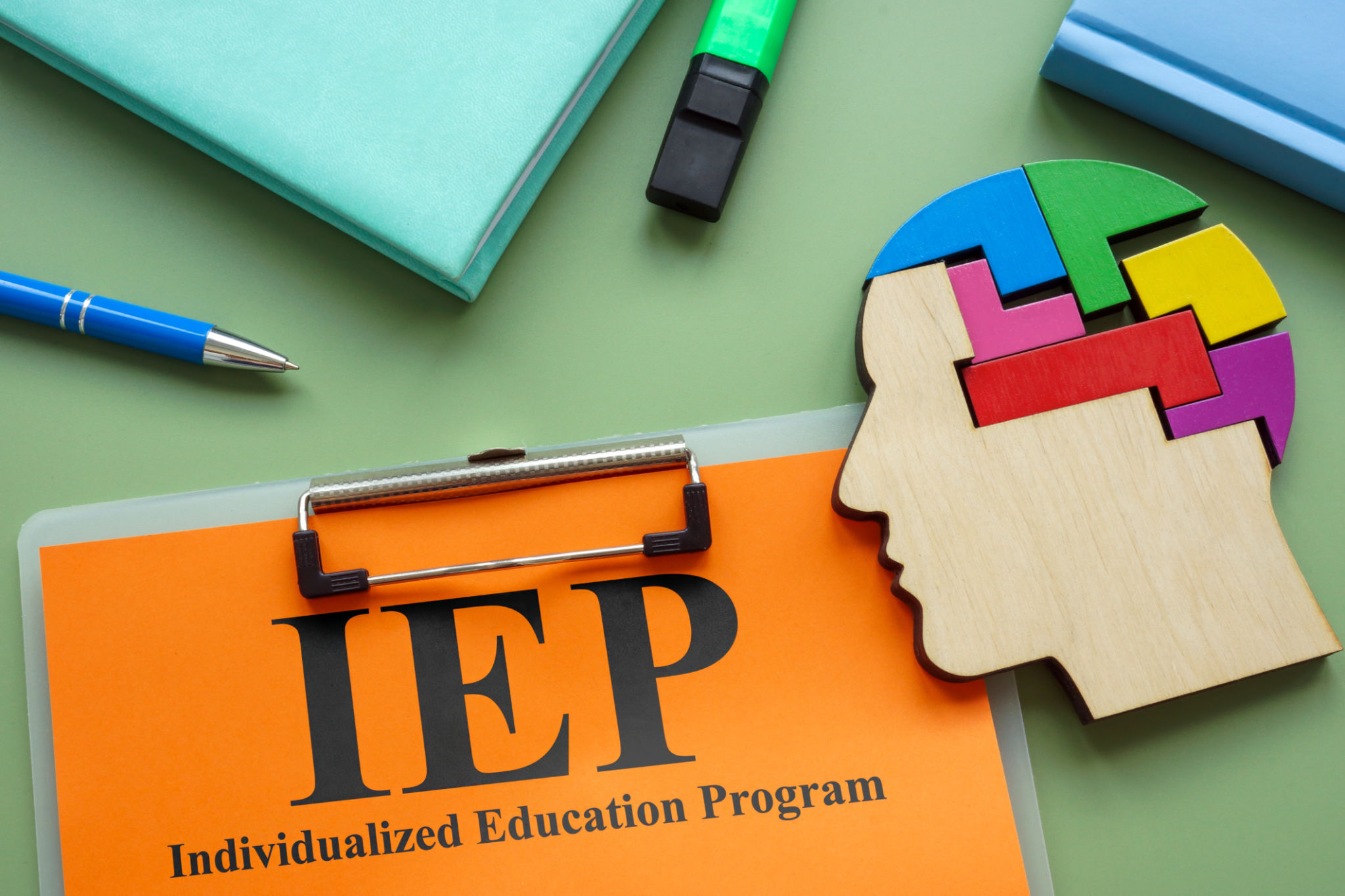
For students with special education needs, psychological assessments are particularly valuable. They help in determining the specific accommodations or modifications required to support learning. This ensures that all students have equal access to educational opportunities.
Implementing Assessments in Schools
The implementation of psychological assessments in schools requires collaboration among educators, psychologists, and parents. Schools must ensure that assessments are conducted ethically and that results are used to enhance the educational experience rather than label or limit students.
Challenges and Considerations
Despite their benefits, psychological assessments come with challenges. Ensuring fairness and avoiding biases in testing is crucial. Moreover, schools need to be mindful of the potential stress and anxiety that assessments may cause for students.
Conclusion
Understanding the importance of psychological assessments in education is essential for fostering an environment that supports all learners. By utilizing these tools effectively, educators can create a more inclusive and supportive educational landscape, helping every student reach their full potential.