Understanding Psychological Testing: A Comprehensive Guide


Introduction to Psychological Testing
Psychological testing is a critical component in understanding human behavior and mental processes. These tests are designed to assess various cognitive and emotional functions, providing valuable insights into an individual's mental health, aptitude, and personality. By exploring the different types of psychological tests, we can gain a better understanding of how they contribute to our knowledge of human psychology.

Types of Psychological Tests
Psychological tests can be broadly categorized into several types, each serving a unique purpose. The most common types include:
- Intelligence Tests: These tests measure an individual's cognitive abilities and are often used in educational and occupational settings.
- Personality Tests: Designed to assess personality traits and characteristics, these tests help in understanding an individual's behavior and preferences.
- Aptitude Tests: These evaluate specific skills or abilities, helping to predict future performance in various tasks or jobs.
- Neuropsychological Tests: These assess brain function and are often used to diagnose neurological disorders.
The Importance of Standardization
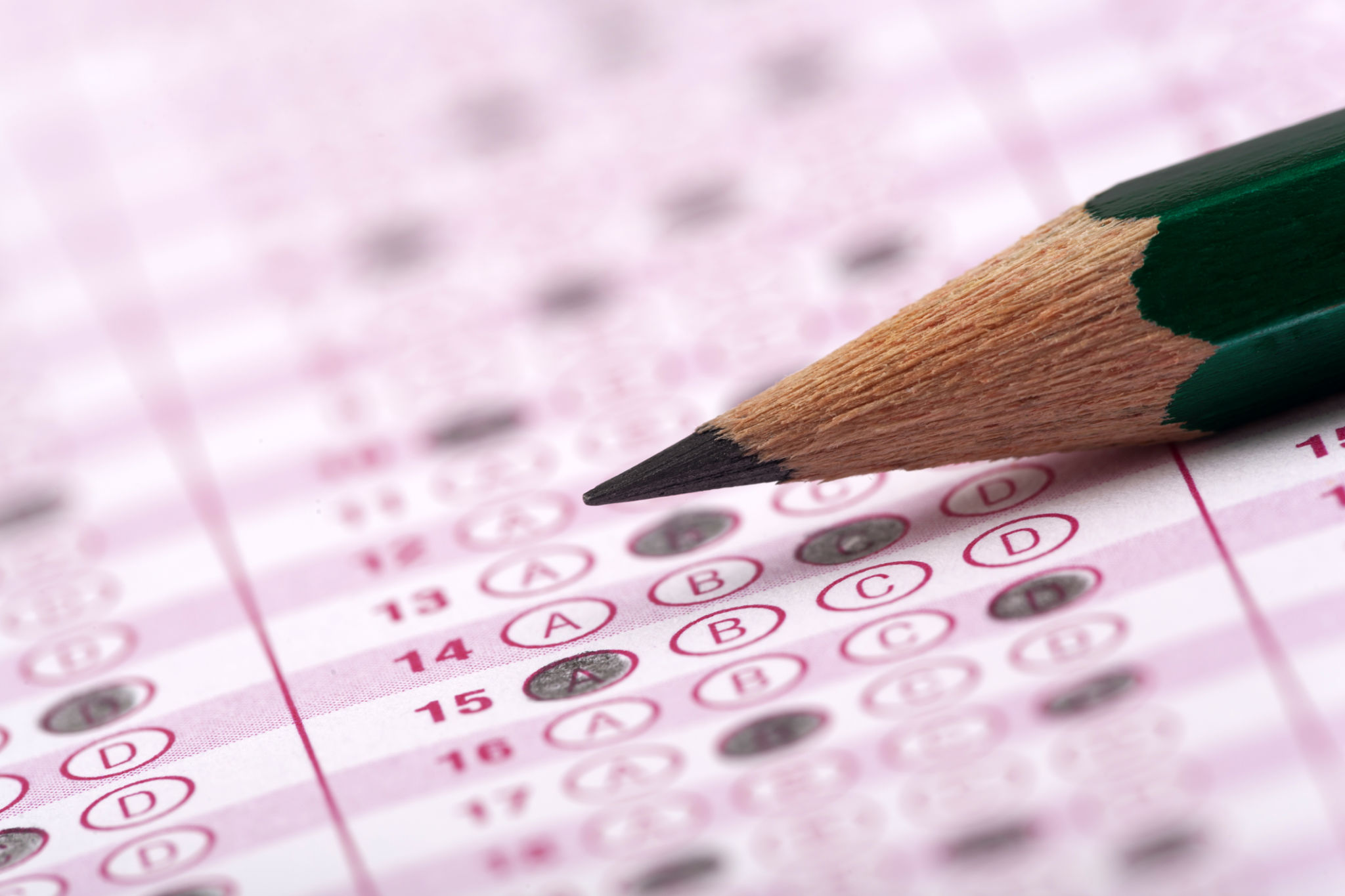
One of the key aspects of psychological testing is standardization. This ensures that tests are administered and scored in a consistent manner, allowing for reliable comparisons between individuals. Standardization involves creating a standard set of procedures and conditions under which the test is given, as well as establishing norms or average scores for specific populations.
Reliability and Validity
For psychological tests to be effective, they must be both reliable and valid. Reliability refers to the consistency of test results over time, while validity indicates whether the test truly measures what it claims to measure. These two elements are crucial for ensuring that test outcomes are accurate and applicable in real-world settings.
Ethical Considerations in Testing
Psychological testing involves ethical considerations to protect the rights and well-being of participants. This includes obtaining informed consent, ensuring confidentiality, and using tests appropriately. Test administrators must be qualified professionals who adhere to ethical guidelines to prevent misuse of test results.

Applications of Psychological Testing
Psychological testing has a wide range of applications across various fields. In education, tests are used to identify learning disabilities and giftedness. In clinical settings, they assist in diagnosing mental health disorders. In the workplace, psychological tests help in employee selection, career development, and organizational development.
Interpreting Test Results
Interpreting the results of psychological tests requires expertise and experience. Professionals must consider the context of the test, individual differences, and potential biases. Accurate interpretation can lead to valuable insights and informed decision-making in personal and professional contexts.
Conclusion
Understanding psychological testing is essential for anyone interested in the study of human behavior. By recognizing the different types of tests, their reliability, validity, and ethical considerations, we can appreciate their importance in various aspects of life. As psychological testing continues to evolve, it remains a vital tool in unlocking the complexities of the human mind.