Innovative Trends in Educational Psychology


Understanding the Role of Technology in Educational Psychology
In recent years, educational psychology has undergone a significant transformation, driven by the integration of technology. This fusion has not only enhanced learning experiences but also provided educators with valuable insights into student behavior and cognitive processes. By leveraging digital tools, educational psychologists can develop more tailored and effective educational strategies.

Artificial Intelligence in Learning Environments
Artificial Intelligence (AI) is revolutionizing the educational landscape by offering personalized learning experiences. AI-driven platforms can adapt to individual student needs, providing resources and challenges that align with their learning pace and style. This customized approach helps to foster a more engaging and effective learning environment.
Moreover, AI can assist in identifying learning difficulties early on, allowing educators to intervene promptly. This proactive approach ensures that students receive the necessary support to overcome challenges, ultimately improving educational outcomes.
The Rise of Gamification in Education
Gamification, the use of game design elements in non-game contexts, is becoming increasingly popular in education. By incorporating elements such as points, badges, and leaderboards, educators can motivate students and make learning more interactive and enjoyable.
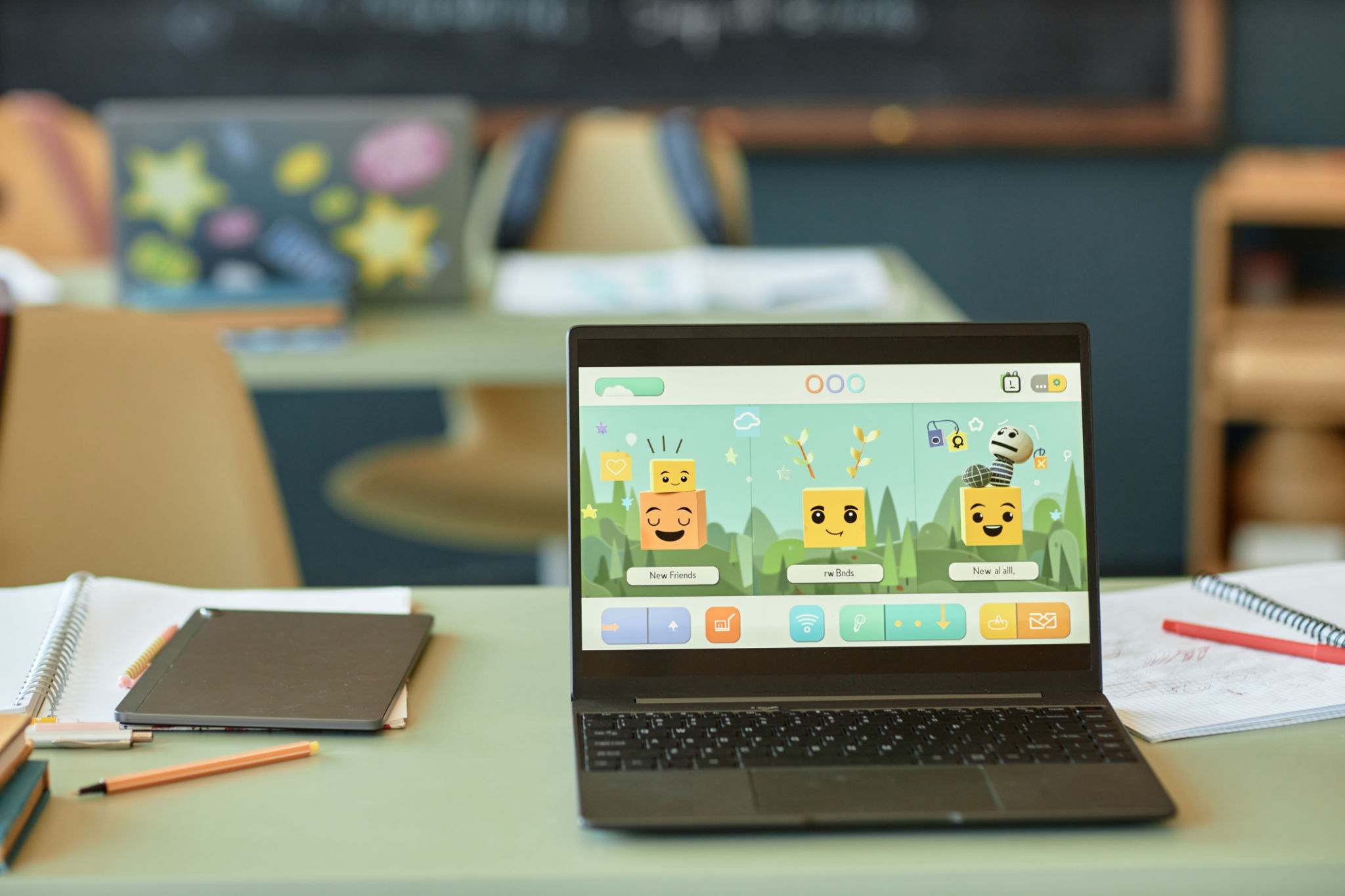
This approach not only enhances student engagement but also promotes critical thinking and problem-solving skills. By transforming traditional learning activities into interactive experiences, gamification encourages students to take an active role in their educational journey.
Virtual and Augmented Reality in Classrooms
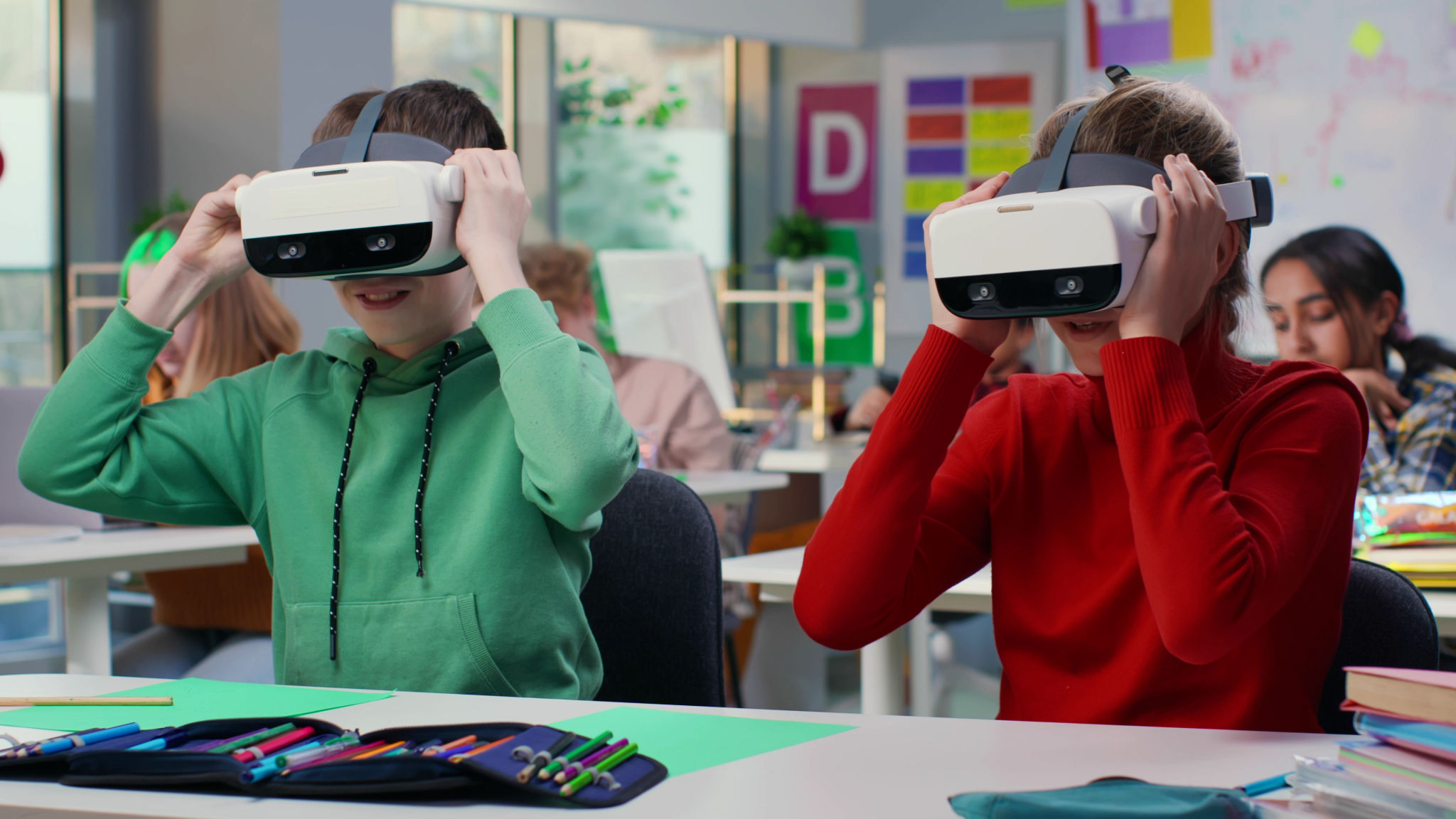
Virtual Reality (VR) and Augmented Reality (AR) are becoming powerful tools in educational psychology. These technologies offer immersive learning experiences that can transport students to different environments, from historical sites to scientific laboratories. This immersive approach enables students to gain a deeper understanding of complex subjects.
Additionally, VR and AR can be used to simulate real-world scenarios, providing students with practical experience in a controlled setting. This hands-on approach is particularly beneficial in fields such as medicine and engineering, where practical skills are essential.
Data-Driven Insights for Personalized Education
The use of data analytics in education has opened new avenues for understanding student behavior and learning patterns. By analyzing data from various educational tools and platforms, educators can gain insights into student performance and engagement.
This data-driven approach allows for the creation of personalized learning plans that cater to individual student needs. By identifying strengths and weaknesses, educators can implement targeted interventions to support student growth and development.
Social and Emotional Learning (SEL) in Modern Education
Social and Emotional Learning (SEL) is gaining recognition as a critical component of modern education. SEL focuses on developing students' emotional intelligence, empathy, and interpersonal skills. By integrating SEL into the curriculum, educators can help students build resilience and develop healthy relationships.
Innovative tools and programs are being developed to support SEL, offering students the opportunity to learn and practice essential life skills. This holistic approach to education ensures that students are well-equipped to navigate both academic and personal challenges.
